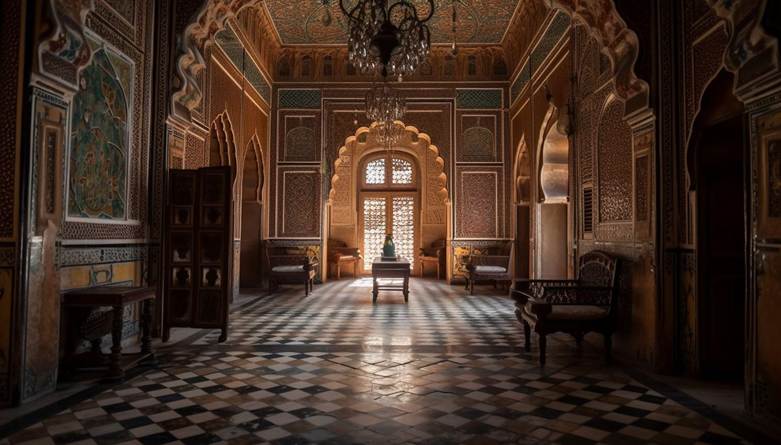
The most enduring interiors are rarely defined by passing trends. Chanel Margaux Postrel explores how historic homes and 18th-century interior design principles reveal the importance of thoughtful design decisions, quality craftsmanship, and intentional use of space in creating environments built around permanence, functionality, and timeless appeal.
Today’s design industry moves at a rapid pace, with new styles, materials, and aesthetics constantly gaining attention. While innovation remains an important part of interior design, many homeowners and designers are increasingly looking beyond temporary trends and toward principles that have proven their value over generations.
Historic interiors offer valuable insight into how spaces can be designed not only for immediate visual impact but also for long-term enjoyment.
Why Historic Homes Continue to Influence Modern Design
Historic homes remain compelling because they often combine beauty with practicality. Their appeal is not based only on decorative details but on the relationship between architecture, materials, and human experience.
Many enduring homes share common characteristics:
- Strong architectural foundations
- Carefully considered proportions
- Durable materials
- Functional room layouts
- Attention to craftsmanship
These qualities allow spaces to remain adaptable even as lifestyles and design preferences change.
Rather than depending on a specific aesthetic moment, historic homes often succeed because they are built around principles that transcend trends.
The Importance of Craftsmanship and Quality Materials
One of the clearest lessons from historic interiors is the value of craftsmanship.
Many older homes feature details created through skilled workmanship, including:
- Handcrafted woodwork
- Custom millwork
- Detailed architectural elements
- Natural materials selected for durability
- Furniture designed for generations of use
These elements contribute to a sense of permanence because they were created with longevity in mind.
Modern interiors can draw from this philosophy by prioritizing quality over quantity. Investing in well-made pieces and durable materials often creates spaces that age gracefully rather than requiring frequent replacement.
Learning From 18th-Century Interior Design
The influence of 18th-century design remains visible in contemporary interiors because many of its principles continue to resonate.
During this period, interiors often emphasized:
- Balance and proportion
- Symmetry
- Functional elegance
- Relationship between furniture and architecture
- Attention to detail
Rather than focusing solely on decoration, designers considered how every element contributed to the overall harmony of a room.
These ideas remain relevant today because successful interiors still depend on creating environments that feel balanced, comfortable, and intentional.
Designing Beyond Temporary Trends
Trends can provide inspiration, but relying entirely on short-term aesthetics can make interiors feel outdated quickly.
A more enduring approach focuses on elements that maintain value over time.
Long-lasting design often incorporates:
- Classic materials
- Neutral architectural foundations
- Timeless furniture silhouettes
- Meaningful decorative elements
- Personal collections
This does not mean avoiding modern influences. Instead, it means creating a foundation that allows contemporary elements to evolve without requiring a complete redesign.
A truly successful interior can adapt while maintaining its original character.
The Role of Proportion in Creating Timeless Spaces
One of the most important lessons from historic architecture is the importance of proportion.
A room’s lasting appeal often depends on how different elements relate to one another:
- Furniture scale compared with room dimensions
- Window placement and natural light
- Relationship between architectural details and furnishings
- Balance between open space and decorative elements
These principles influence how comfortable and visually harmonious a space feels.
While colors and styles may change, well-balanced proportions continue to create interiors that feel natural and inviting.
Combining Historical Influence With Modern Living
Modern homeowners have different needs than those of previous centuries. Technology, flexible work environments, and changing lifestyles have transformed how people use their homes.
However, historic design principles can still provide valuable guidance.
Contemporary interiors can incorporate historical lessons through:
- Flexible room arrangements
- High-quality materials
- Thoughtful storage solutions
- Integration of antique and modern pieces
- Preservation of architectural character
The goal is not to recreate the past exactly but to apply proven ideas in ways that support present-day living.
Why Authenticity Has Become a Defining Design Value
As interiors become increasingly influenced by digital inspiration, authenticity has become more valuable.
Many homeowners are moving away from spaces designed only for visual perfection and toward environments that feel personal and lived-in.
Authentic interiors often include:
- Objects with personal significance
- Furniture collected over time
- Materials that develop character
- Designs that reflect individual preferences
This connection between design and personal history creates spaces that feel unique rather than replicated.
Sustainability Through Longevity
Designing for the future also encourages more sustainable choices.
A room built around longevity reduces the need for constant replacement and encourages responsible investment in materials and furnishings.
Long-lasting design practices include:
- Choosing durable materials
- Restoring quality pieces
- Selecting adaptable furniture
- Maintaining architectural features
- Avoiding unnecessary trend cycles
This approach recognizes that sustainability is not only about the materials used but also about how long those materials remain valuable.
Creating Homes That Carry Stories Forward
Historic homes often feel special because they preserve evidence of the people and periods that shaped them.
The same principle can guide modern interiors.
A home becomes more meaningful when it reflects:
- Personal experiences
- Family history
- Cultural influences
- Collected objects
- Individual taste
Designing with longevity in mind allows spaces to become more than visually appealing environments. They become places where memories accumulate over time.
Looking Toward the Future of Interior Design
The future of interior design will likely continue balancing innovation with lessons from the past. Technology and new materials will introduce exciting possibilities, but the principles behind enduring design will remain consistent.
Homes designed for the next century will likely prioritize:
- Adaptability
- Quality craftsmanship
- Emotional connection
- Functional beauty
- Responsible choices
The strongest designs will not simply reflect the moment they were created. They will continue to serve and inspire future generations.
Conclusion
Historic homes offer a valuable reminder that lasting design is built on principles that extend beyond temporary trends. Through craftsmanship, proportion, quality materials, and thoughtful planning, these spaces demonstrate how interiors can remain meaningful for decades or even centuries.
Designing for the next hundred years does not require rejecting modern influences. Instead, it requires understanding the timeless concepts that allow spaces to evolve while maintaining their identity. By combining historical wisdom with contemporary needs, homeowners can create interiors that are not only beautiful today but meaningful for generations to come.