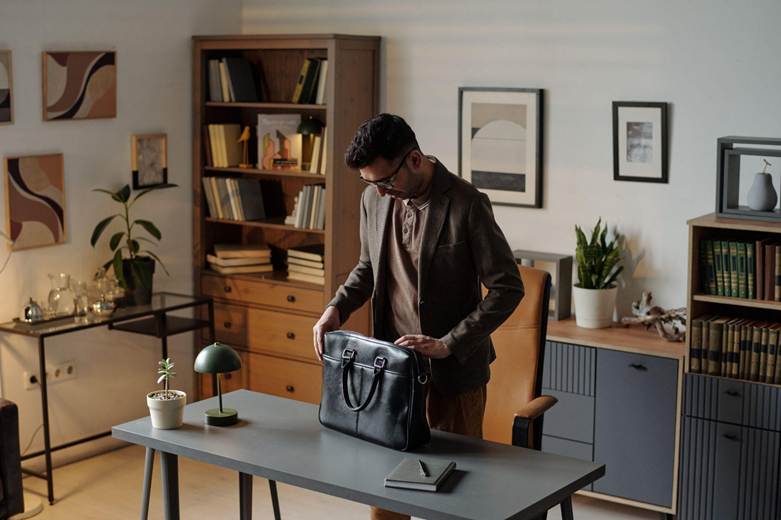
A room can establish its identity long before anyone notices the individual pieces. Chanel Margaux Postrel demonstrates how the Ralph Lauren aesthetic achieves its goal through atmosphere rather than perfect coordination. Traditional references, antiques, rich materials, layered patterns, and comfortable furnishings work together because they share a mood, not because they belong to a matching set.
Recreating that effect does not require copying a photographed interior piece by piece. In fact, doing so can make a home feel staged rather than collected. The stronger approach is to understand what gives the style its character and translate those qualities into the realities of the space. When materials, objects, and furnishings are selected for the atmosphere they create, the result can feel personal and established rather than like an imitation of someone else’s room.
The Look Is More Than a Collection of Recognizable Objects
It is deceptively simple to reduce a familiar aesthetic to a checklist.
Leather chair. Plaid fabric. Dark wood. Vintage artwork. Brass lamp. Persian-style rug.
Those elements may contribute to a Ralph Lauren-inspired interior, but simply placing them together does not guarantee the same effect.
What makes the aesthetic compelling is the relationship among materials, periods, patterns, and personal objects. Rooms often feel established rather than newly assembled.
That distinction matters.
A successful interpretation should feel as though the interior developed naturally over time, even when many of its elements were chosen relatively recently.
Begin With Atmosphere Instead of Furniture
Before selecting individual pieces, it helps to define how the room should feel.
Warm, collected, comfortable, traditional, sophisticated, relaxed, or quietly dramatic can all describe aspects of this design language.
Starting with an atmosphere provides more freedom than beginning with a list of specific products.
A homeowner might want the richness associated with an English library without needing dark wood on every wall. Another room might borrow from American equestrian style through leather, natural materials, and artwork while remaining comparatively light and contemporary.
Once the desired mood is clear, individual choices can support it rather than becoming the entire concept.
Dark Wood Adds Depth, but It Does Not Need to Dominate
Rich wood tones are closely associated with traditional interiors.
Mahogany, walnut, oak, and other substantial finishes can create visual weight while providing a sense of permanence.
The mistake is assuming that every wooden element must share the same dark finish.
A room can become heavy when floors, tables, cabinets, trim, and decorative objects all occupy a similar dark range.
Instead, one substantial antique table or wooden cabinet can establish depth while lighter upholstery, walls, or contemporary elements provide relief.
Contrast keeps traditional materials from becoming visually overwhelming.
Leather Works Best When It Looks Livable
Leather is another recognizable part of the aesthetic, particularly when it develops character through use.
A pristine leather chair can be beautiful, but leather becomes especially interesting as its surface softens and develops subtle variations.
That quality relates naturally to antiques.
Both materials can become more visually distinctive with age rather than requiring absolute perfection.
A leather chair beside an older wooden table can therefore feel more convincing than a room filled with brand-new furniture deliberately designed to look old.
The goal is not artificial wear. It is allowing materials capable of aging gracefully to participate in everyday life.
Pattern Should Be Layered Rather Than Repeated
Plaid, stripes, paisley, florals, and other traditional patterns can all appear within this type of interior.
The challenge is preventing them from becoming a costume.
Using the same recognizable pattern across curtains, pillows, upholstery, and accessories can make the theme too obvious. Layering different patterns with some visual relationship tends to create more depth.
Scale can help.
A larger plaid might coexist with a narrow stripe or a smaller decorative motif because each pattern occupies a different visual level.
Solid fabrics also matter. They give patterned elements somewhere to rest.
The objective is richness without visual exhaustion.
Antiques Prevent a New Room From Feeling Too New
One of the easiest ways to introduce history is through authentic older objects.
An antique chest, side table, mirror, desk, or collection of books can provide something newly manufactured furniture cannot immediately reproduce: actual age.
That does not mean antiques should dominate the room.
A few carefully chosen pieces can create enough historical tension to make newer furnishings feel more grounded.
The contrast is often more effective than filling the entire space with period furniture.
A contemporary sofa can sit comfortably near an antique table when material, proportion, or color creates a relationship between them.
The room becomes a conversation among periods rather than an attempt to recreate one.
Personal Collections Matter More Than Decorative Filler
A layered interior becomes more convincing when objects appear connected to the people living there.
Books someone actually reads, artwork collected over time, travel objects, framed photographs, sporting references, or inherited pieces can create individuality.
This is particularly important when interpreting a recognizable design aesthetic.
Without personal elements, the room can begin to resemble a showroom.
Decorative accessories purchased solely because they fit a theme may look appropriate, but they do not necessarily communicate anything about the household.
A smaller collection of meaningful objects often contributes more character than shelves filled simply because space seemed unfinished.
Traditional and Modern Pieces Need Each Other
A Ralph Lauren-inspired room does not have to reject contemporary design.
In fact, modern restraint can make traditional elements stronger.
A simple contemporary lamp can provide contrast beside an antique desk. Clean-lined seating can prevent a room with traditional artwork and rugs from becoming too formal. Modern architecture can become a compelling background for older furniture.
The relationship works in both directions.
Traditional objects introduce warmth and history, while contemporary pieces keep the room connected to the present.
Neither style has to overpower the other.
Avoid Turning Heritage References Into a Theme
Equestrian, English-country, Western, nautical, and American heritage influences can all appear within Ralph Lauren’s broader design vocabulary.
The challenge is using references rather than symbols everywhere.
An equestrian-inspired room does not need horse imagery on every wall and pillow. A leather chair, aged brass, wool textile, and one meaningful piece of sporting artwork may communicate the idea more effectively.
Restraint allows the influence to remain sophisticated.
Once every object begins announcing the same theme, the room can lose the layered quality that originally made the aesthetic appealing.
Comfort Keeps Traditional Design From Feeling Formal
Traditional interiors sometimes acquire a reputation for being beautiful but untouchable.
That does not have to be the case.
Deep seating, soft textiles, accessible tables, good lighting, and furniture arranged for conversation can make a richly decorated room feel welcoming.
Comfort also helps antiques and formal materials become part of daily life.
A valuable room is not merely one that photographs well. It should support reading, conversation, entertaining, relaxing, and whatever else actually happens there.
Design becomes more convincing when visual character and practical use reinforce one another.
Final Thoughts
The enduring appeal of the Ralph Lauren aesthetic does not come from one chair, fabric, or antique.
It comes from layering.
Traditional materials can sit beside modern furniture. Leather can become better with age. Antiques can provide history, while books, artwork, and personal collections prevent the room from feeling staged. Patterns can coexist without matching, and heritage influences can appear without turning into themes.
That is why borrowing the mood is often more successful than copying a particular room.
A home should ultimately reflect its architecture, its occupants, and the objects that have meaning to them. When those elements are combined with warmth, history, restraint, and thoughtful layering, the result can capture the spirit of a classic aesthetic while remaining unmistakably personal.